Climate Change, One Health, and Pandemic Preparedness
Climate Change
Since its inception, HMST has been working to address and mitigate the effects of climate change, ecosystem destruction, and the increase in catastrophic weather events on health systems and populations.
WHO states that 3.6 billion people already live in areas highly susceptible to climate change. Between 2030 and 2050, climate change is expected to cause approximately 250,000 additional deaths per year from undernutrition, malaria, diarrhea, and heat stress alone.
How this environmental paradigm shift impacts the health of populations is well known: population movements following natural disasters, destruction of natural habitats leading to increased contact between humans and animals, creation of deadly heat islands in poorly adapted urban areas, etc. The causes and solutions are multifactorial, which is why we are committed to deploying teams with cross-functional skills to provide solutions that will have a long-term impact.
One Health
HMST likes to highlight the One Health framework, which promotes an integrated, systematic, and unified approach to public, animal, and environmental health at the local, national, and global levels.
That framework enables us to tackle new pandemic risks by taking better account of the interdependencies between ecosystem functioning, socio-ecosystem practices, and the health of human, animal, and plant populations. In addition, it allows our experts to foster greater collaboration between the diverse actors needed to bring about lasting change.
Pandemic Preparedness
Building on lessons from the COVID-19 pandemic, HMST supports countries in strengthening preparedness, response, and resilience to future health emergencies.
Our approach integrates early warning systems, community engagement, and robust health information systems to ensure rapid detection and coordinated response.
By linking pandemic preparedness with climate resilience and health system strengthening, we help governments and partners anticipate emerging threats and protect vulnerable populations.
Our Actions in Climate Change, One Health and Pandemic Preparedness
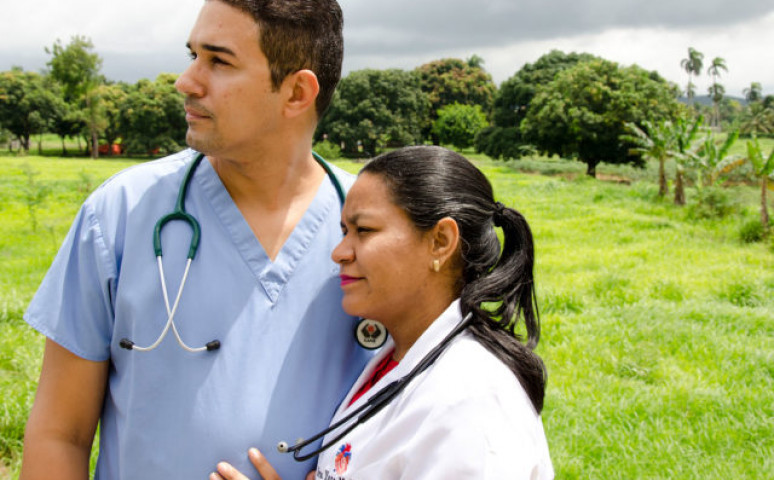
Assessment of Dominican Republic’s Capacity to Respond to, Prepare for, and Prevent Health Risks through a One Health Approach
HMST, for Exerptise France, conducted between 2024 and 2025 a comprehensive assessment of the Dominican Republic’s capacity to implement a One Health approach to health risks. Using participatory methods, document review, stakeholder workshops, and data analysis, the team identified key gaps in multisectoral coordination, institutional capacity, and policy alignment. The final report provides evidence-based recommendations and tools to strengthen preparedness, response, and prevention mechanisms, emphasizing the importance of political commitment, multisectoral collaboration, and gender mainstreaming for sustainable One Health implementation.
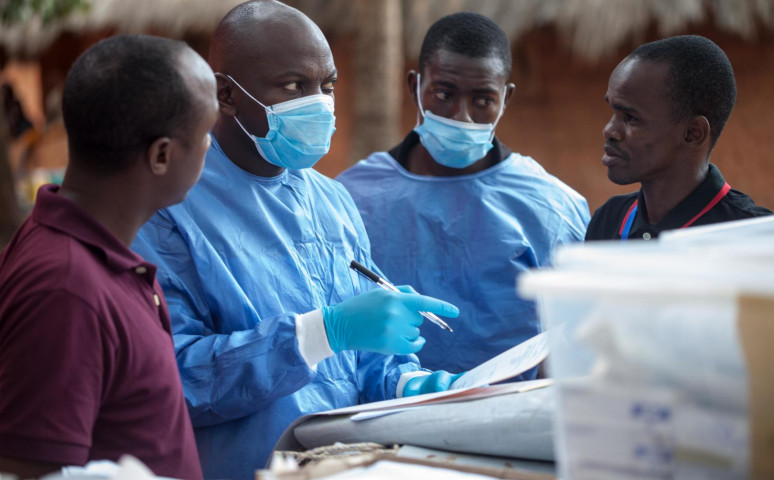
Technical Assitance to Support the Climat Health Strategic Initiative of Central and Western Africa
To complete
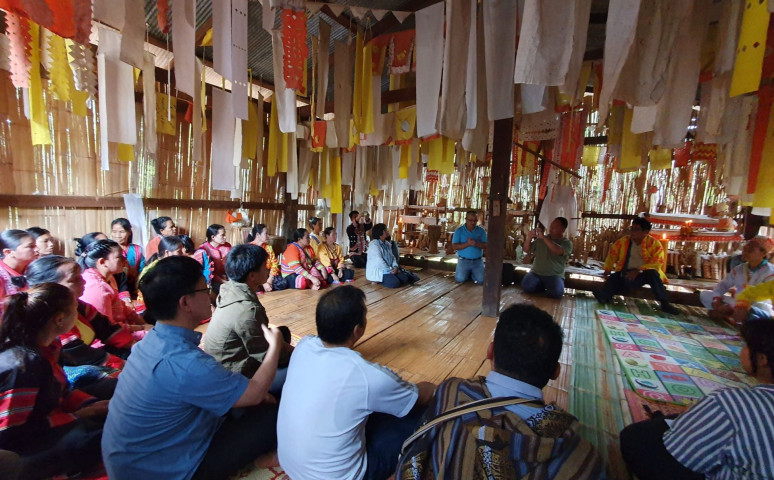
Community Connector Pilot for the Global Fund Community, Rights and Gender Department
Betwen 2024 and 2025, HMST designed and piloted the Community Connector initiative to facilitate informal, targeted dialogues between the Global Fund Secretariat and community representatives. The project involved iterative design, diverse facilitation, and comprehensive evaluation, revealing that well-prepared, specific conversations—conducted online or in person—can enhance Secretariat-community engagement, inform policies, and address implementation challenges. This work has enabled the joint development of local solutions that promote the resilience of health systems in the face of emerging crises, particularly those related to environmental change and pandemic threats.
We are proud to work with